15 Unique Things to Buy in Japan for a Truly Memorable Souvenir
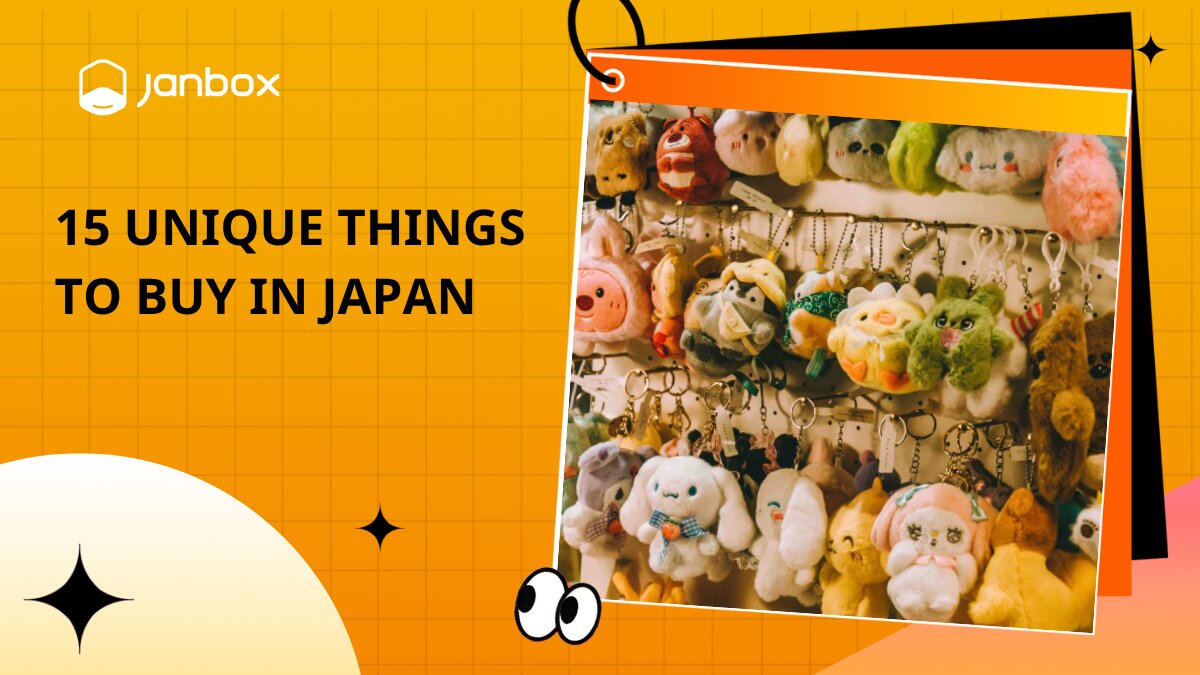
If you're planning a trip to Japan, chances are you'll set aside some time for shopping. But once you step into the country's endless department stores, shopping streets, and local markets, it's easy to feel overwhelmed by the sheer number of souvenirs available. The bigger question quickly becomes: what is actually worth bringing home?
The best souvenirs are often the ones you won't easily find anywhere else. From traditional crafts passed down for generations to regional specialties and Japan-exclusive collectibles, these items offer something more memorable than a typical gift shop purchase. In this guide, we've rounded up the most unique things to buy in Japan, along with where to find them and what makes each one special.
What Makes a Japanese Souvenir Truly Unique?
Not every souvenir becomes a lasting reminder of a trip. Some are mass-produced items that can be found in airports around the world, while others reflect a specific place, tradition, or story that makes them meaningful long after you return home. In Japan, many of the most memorable purchases fall into the second category. They're often tied to a particular region, handcrafted using techniques passed down through generations, or released as limited editions that aren't widely available outside the country.
Japan also has a strong culture of creating products for its domestic market. Local artisans continue to preserve traditional crafts, regional shops proudly showcase specialties that represent their hometowns, and brands frequently launch seasonal or location-exclusive collections. That means the same souvenir you discover in Kyoto, Hakone, or Okinawa may not be available in Tokyo, let alone overseas.
15 Unique Things to Buy in Japan
Japan offers thousands of souvenirs, but only a handful stand out because they reflect something you can genuinely associate with the country. Some are handcrafted using techniques that have been preserved for centuries, while others are tied to a particular region, festival, or local tradition. There are also products made exclusively for the Japanese market, making them difficult to find once you leave the country.
The collection below focuses on souvenirs that are memorable for more than just their appearance. Each item represents a different side of Japan, whether that's craftsmanship, culture, regional identity, or creativity. Along with what makes each product unique, you'll also find recommendations on where to buy it so you can plan your shopping more easily during your trip.
Traditional Crafts with a Strong Sense of Place
One of the best ways to bring home a meaningful souvenir is to choose something rooted in the place you visited. Across Japan, different regions have developed their own craft traditions over centuries, often using local materials and techniques passed down through generations. These products are more than decorative items. They reflect the history, culture, and identity of the communities where they're made.
Unlike mass-produced souvenirs, many traditional crafts are still created by skilled artisans in small workshops. That means no two pieces are exactly alike, making them memorable keepsakes or thoughtful gifts for someone who appreciates craftsmanship.
1. Hakone Yosegi-zaiku Marquetry
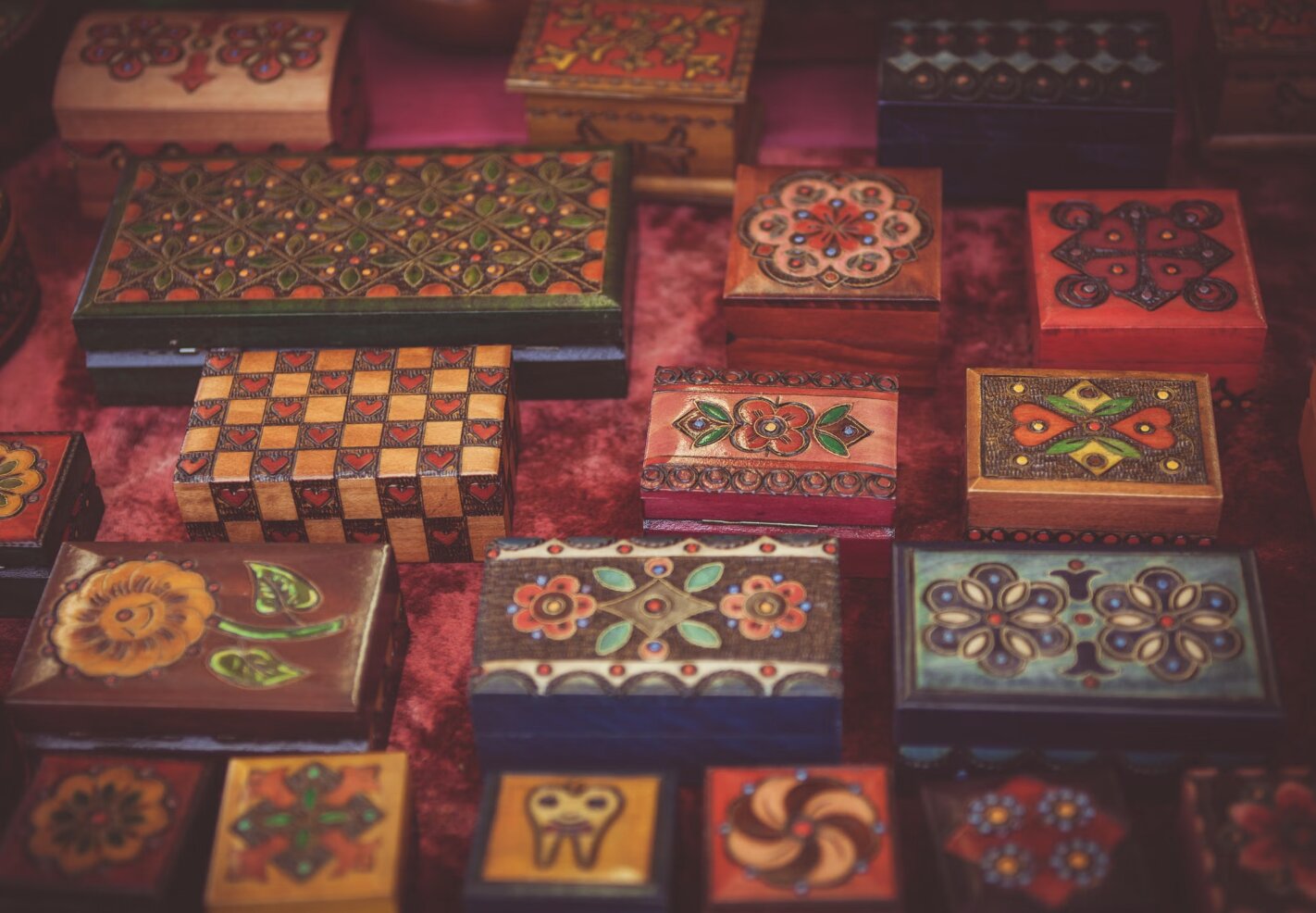
Hakone Yosegi-zaiku is a traditional woodworking craft from the Hakone region, famous for its intricate geometric patterns created by combining dozens of naturally colored wood species. Rather than relying on paint or printed designs, artisans carefully arrange different types of wood to form detailed mosaics, making every piece a showcase of precision and patience.
One of the most recognizable Yosegi products is the Japanese puzzle box, often called a Himitsu-Bako. These handcrafted boxes require a specific sequence of movements to open, turning an ordinary souvenir into an interactive keepsake. Smaller trays, coasters, and stationery accessories are also popular choices if you're looking for something easier to pack.
Where to Buy:
Hakone Yosegi Kaikan (Hakone Marquetry Museum)
Traditional craft shops around Hakone-Yumoto
Souvenir stores in Hakone
Selected department stores featuring regional crafts
2. Kumihimo Braided Cords
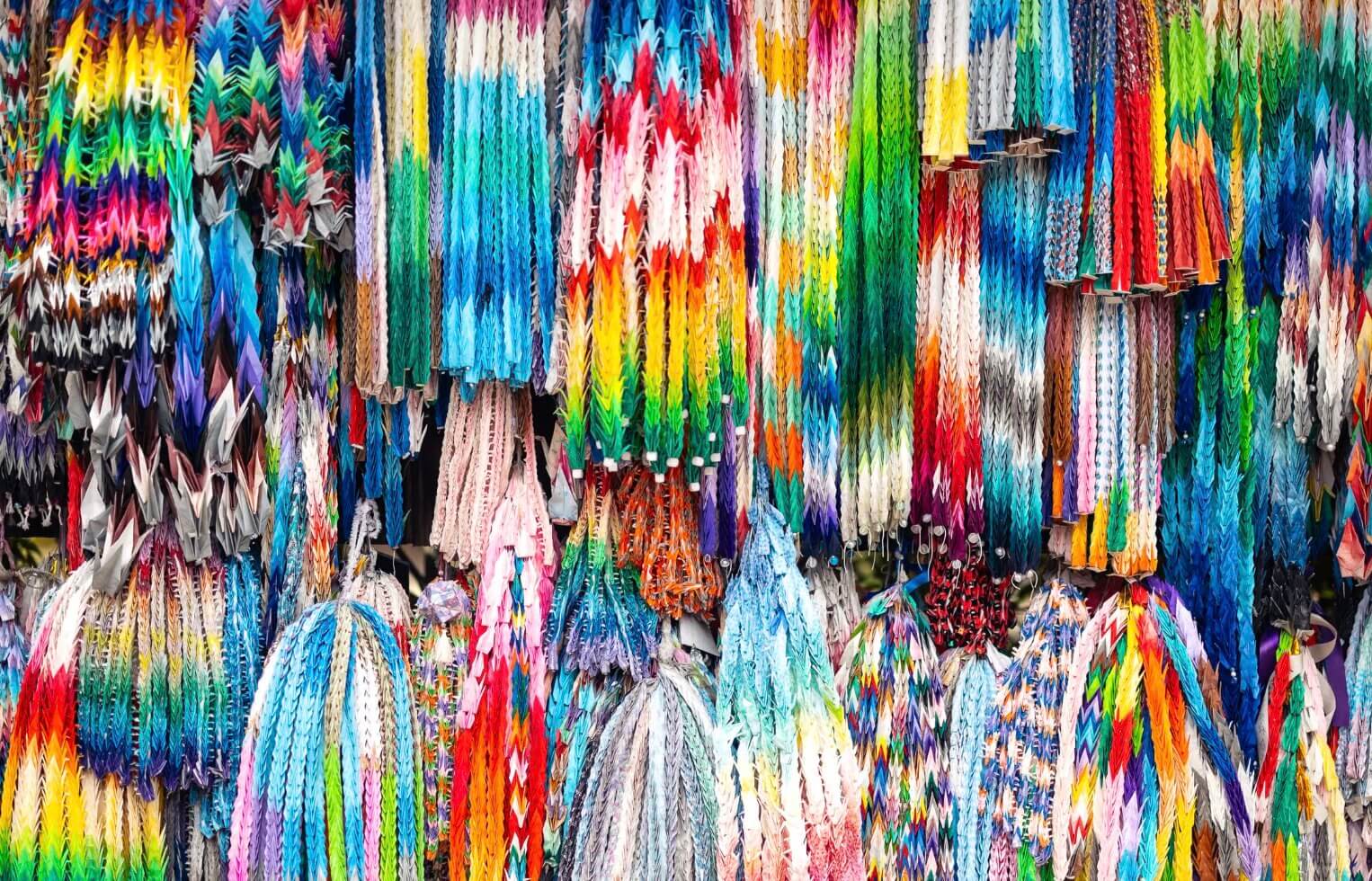
Kumihimo is a traditional Japanese braiding technique that dates back more than a thousand years. Originally used by samurai to secure armor and sword handles, today these beautifully woven cords appear in bracelets, bag charms, kimono accessories, camera straps, and home décor. The intricate patterns are created by weaving multiple strands together, with each region developing its own distinctive styles and color combinations.
Although modern versions are available in many designs, handmade kumihimo pieces remain highly valued because of the craftsmanship involved. They're lightweight, easy to pack, and carry a fascinating story that many travelers have never encountered before.
Where to Buy:
Kumihimo workshops in Kyoto
Traditional craft stores
Nishijin textile shops
Museum gift shops
3. Echizen Washi Paper Products
Echizen Washi is one of Japan's oldest handmade paper traditions, with a history spanning more than 1,500 years. Produced in Fukui Prefecture, the paper is prized for its durability, soft texture, and distinctive handcrafted appearance. While washi is still used for traditional calligraphy and artwork, artisans now create notebooks, postcards, bookmarks, envelopes, lampshades, and home décor that combine traditional techniques with contemporary design.
Because each sheet is individually crafted, subtle variations in texture and fiber become part of its character. Washi products are lightweight, flat, and highly durable, making them practical souvenirs for travelers and ideal for international shipping.
Where to Buy:
Echizen Washi Village
Traditional paper workshops
Museum gift shops
Stationery stores
Department stores
4. Akoya Pearl Jewelry from Mie
Japan is the birthplace of cultured pearls, and Akoya pearls remain one of the country's most respected luxury crafts. Produced primarily along the coast of Mie Prefecture, these pearls are known for their mirror-like luster and perfectly round shape.
While high-end necklaces can be expensive, smaller earrings, pendants, and bracelets offer a more accessible way to own an authentic Japanese pearl. Buying directly from Japan also provides a wider selection than most overseas retailers.

Where to Buy:
Pearl shops in Toba and Ise
Mikimoto boutiques
Department stores
Specialty jewelry stores
5. Kintsugi-Inspired Ceramics
Kintsugi is the traditional Japanese practice of repairing broken pottery with lacquer mixed with gold or other precious metals. Rather than hiding cracks, the technique celebrates them as part of an object's history, representing resilience, renewal, and the beauty of imperfection.
Authentic kintsugi pieces are often created by specialist artisans and can be quite expensive. However, many ceramic studios and museum shops now offer kintsugi-inspired tableware or DIY repair kits that capture the philosophy behind the craft while making it more accessible for visitors.
Where to Buy:
Traditional ceramic workshops
Museum gift shops
Craft galleries in Kyoto and Kanazawa
Specialty pottery stores throughout Japan
Cultural Items with Meaning
Some souvenirs become more valuable because of the story or purpose behind them. In Japan, many cultural items are connected to personal identity, spiritual wishes, daily rituals, or traditional craftsmanship, which gives them a meaning that goes beyond decoration.
These pieces are especially suitable for travelers who want to bring home something personal rather than simply recognizable. Each one reflects a different part of Japanese life, from name seals and temple visits to traditional textiles and handmade accessories.
6. Personalized Hanko Stamp
A hanko is a personal seal traditionally used in Japan in place of a handwritten signature for documents, contracts, and everyday transactions. For travelers, a custom-made version engraved with a name in katakana or kanji can become a highly personal souvenir that connects directly to Japanese culture.
Although decorative hanko are usually not valid for official use, they still make memorable keepsakes and can be used for journaling, crafts, or personal stationery. Some shops also allow customers to choose the material, font style, and case, making the final piece feel much more individual.
Where to Buy:
Specialist hanko shops
Department stores
Stationery stores
Tourist areas in Tokyo, Kyoto, and Osaka
Shops that offer same-day custom engraving
7. Temple or Shrine Goshuincho
A goshuincho is a special book used to collect goshuin, handwritten calligraphy and red seals received at temples and shrines. Each page records a specific visit, turning the book into a visual diary of the places you explored during your trip.
Unlike a standard notebook, a goshuincho gains meaning over time as more pages are filled. Many temples and shrines sell their own exclusive designs, often featuring local architecture, seasonal motifs, or religious symbols connected to the site.
Where to Buy:
Major temples and shrines
Religious gift shops
Traditional stationery stores
Museum shops
Specialty goshuincho retailers
8. Omamori from a Specific Shrine
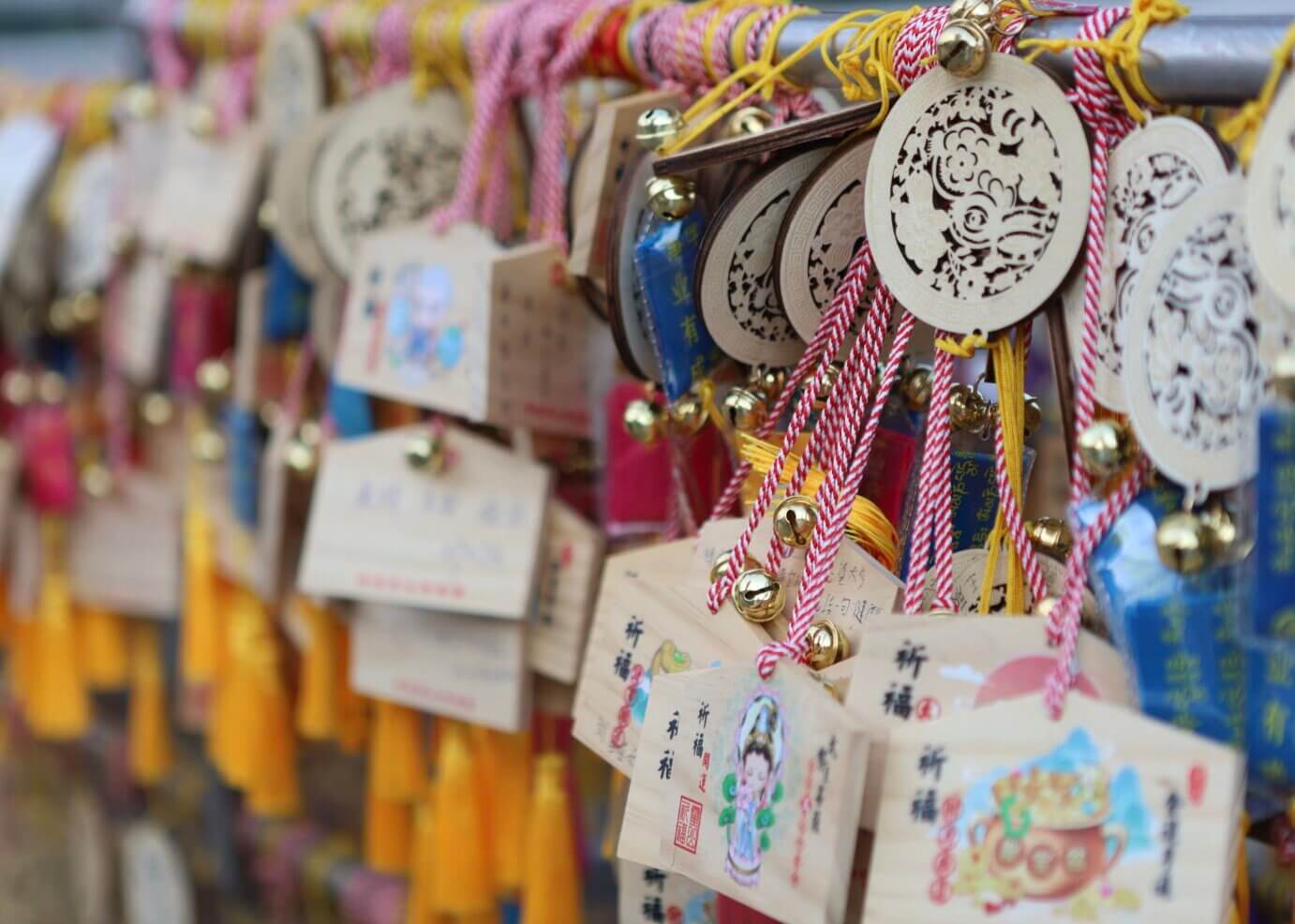
Omamori are protective charms associated with wishes such as academic success, safe travel, health, relationships, or business prosperity. What makes them especially meaningful is their connection to the shrine or temple where they are purchased.
Rather than choosing a generic souvenir version, look for an omamori that matches a personal goal or the purpose of your visit. The design, wording, and blessing often differ by location, so the charm also becomes a reminder of a specific place in Japan.
Where to Buy:
Shinto shrines
Buddhist temples
Shrine and temple gift counters
Religious sites known for particular blessings
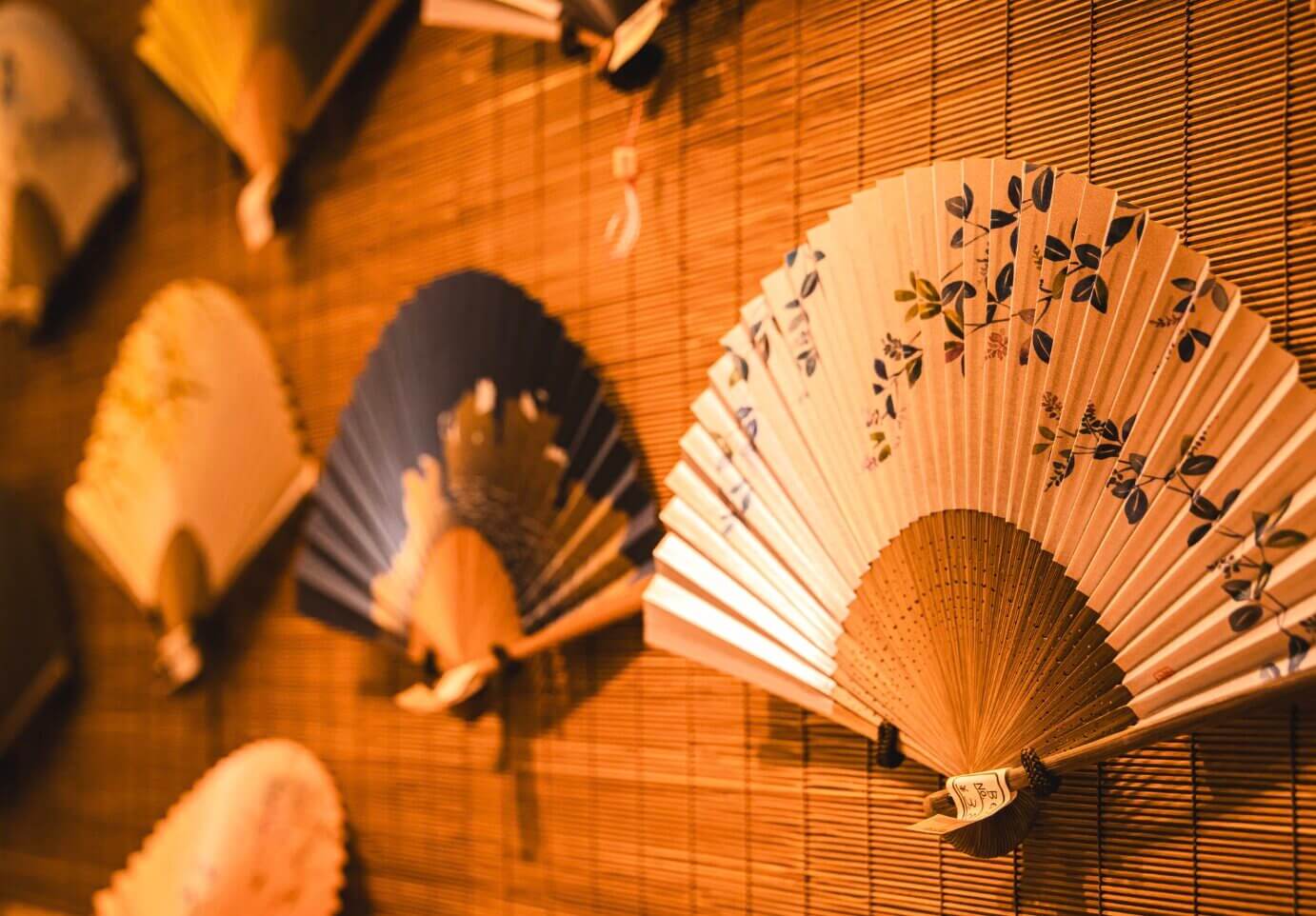
9. Handmade Sensu Fan from Kyoto
A handmade sensu fan from Kyoto is very different from the inexpensive folding fans sold in ordinary souvenir shops. Traditional versions are crafted from bamboo and Japanese paper or silk, with each stage requiring careful cutting, folding, painting, and assembly.
Because many Kyoto fan makers continue to use long-established techniques, the finished product feels both elegant and practical. Smaller fans are easy to pack, while premium designs can also be displayed as decorative objects at home.
Where to Buy:
Traditional fan shops in Kyoto
Nishiki Market and nearby shopping streets
Kyoto department stores
Artisan workshops
Museum and cultural center shops
10. Indigo-Dyed Fabric Goods
Japanese indigo dyeing, often known as aizome, produces deep blue tones that become more distinctive with use. Bags, scarves, towels, shirts, and small accessories may show slight differences in shade and pattern because of the dyeing process.
These variations are part of what makes each item special. Rather than looking perfectly uniform, indigo-dyed goods often reflect the hands-on nature of the craft and develop more character as they age.
Where to Buy:
Textile workshops
Traditional craft districts
Department stores with regional craft sections
Artisan markets
Indigo-dyeing regions such as Tokushima and parts of Kyoto and Tokyo
Japan-Only Collectibles and Regional Finds
Not every memorable souvenir has a long history behind it. Japan is also known for creating collectibles that are available only in specific cities, train stations, brand stores, or for a limited time. These products often disappear once a collaboration ends or a seasonal campaign finishes, making them especially appealing to collectors and repeat visitors.
If you're hoping to bring home something that few people outside Japan own, these exclusive finds are well worth looking for. Their value comes not only from the product itself, but also from the fact that they represent a particular place, event, or moment in time.
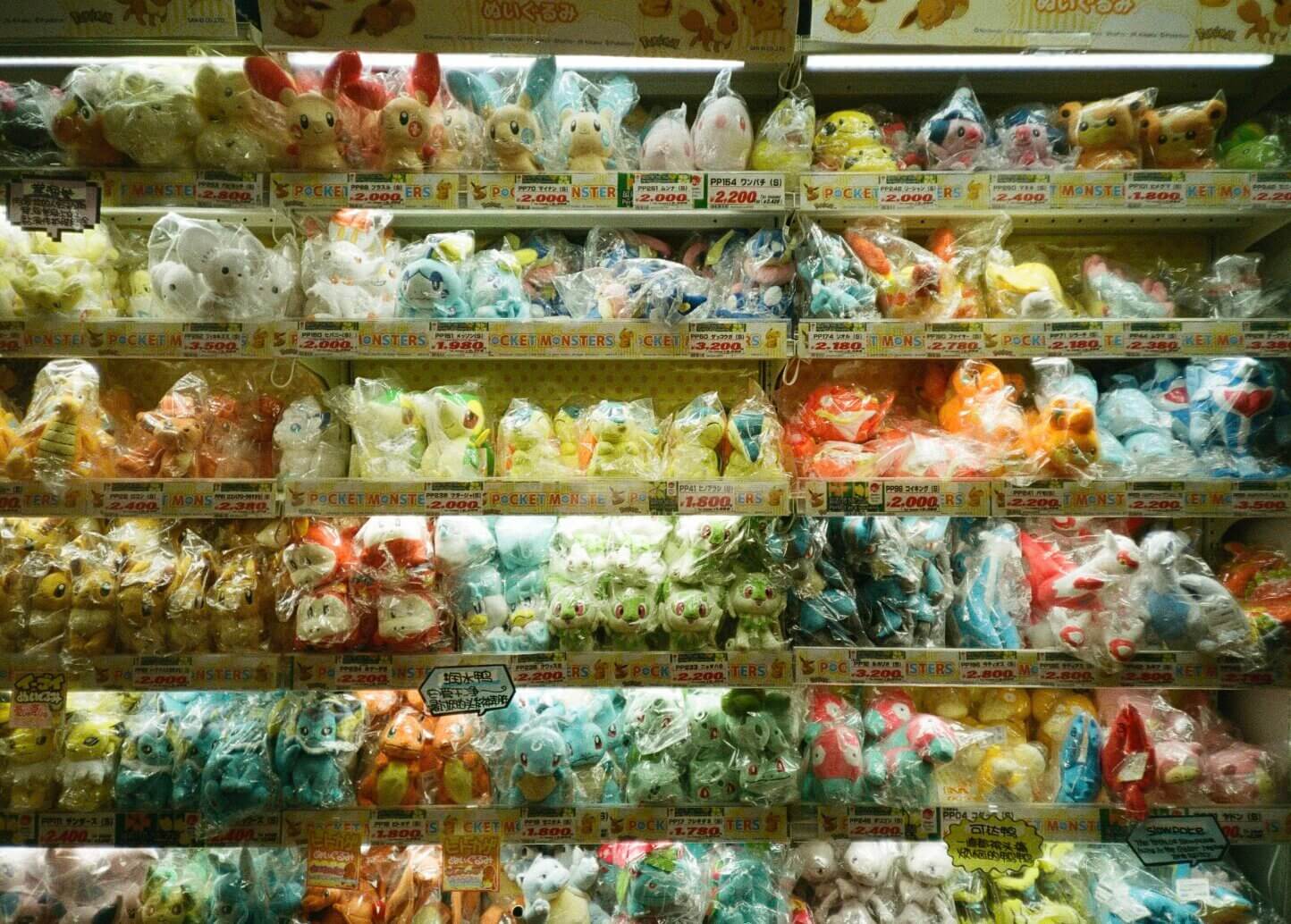
11. Pokémon Center Regional Exclusives
Every Pokémon Center offers a familiar selection of merchandise, but many locations also carry exclusive products inspired by their region. You might find Pikachu dressed as a local mascot, holding a famous regional food, or celebrating a festival unique to that city.
Because these collections are sold only at specific stores, many Pokémon fans make a point of visiting different locations throughout Japan. The plush toys, pins, keychains, and stationery also change regularly, so even repeat visits can reveal something new.
Where to Buy:
Pokémon Center Tokyo DX
Pokémon Center Kyoto
Pokémon Center Osaka
Pokémon Centers in Sapporo, Fukuoka, Nagoya, Yokohama, and other cities
12. Limited Gashapon Collections
Japan's capsule toy culture goes far beyond anime characters. Gashapon machines regularly feature miniature Japanese foods, train equipment, vintage household appliances, local mascots, architecture, and countless quirky everyday objects that rarely appear outside Japan.
Most collections remain available only until the machines sell out before being replaced by a new series. That constant rotation makes each visit a little different and gives collectors another reason to check machines whenever they pass one.
Where to Buy:
Bandai Official Gashapon Stores
Shopping malls
Akihabara
Electronics stores
Train stations
13. Japanese Tenugui
Ekiben are boxed meals sold at railway stations throughout Japan, but the food isn't the only reason people buy them. Some regional editions come in beautifully designed reusable containers shaped like trains, traditional pottery, or local landmarks, allowing travelers to keep the packaging long after the meal is finished.
Since every region develops its own recipes and presentation, collecting ekiben can become part of the travel experience itself. It's one of the few souvenirs you can both enjoy during the journey and display afterward.
Where to Buy:
Major JR railway stations
Shinkansen stations
Ekiben specialty shops
Department store food fairs featuring regional railway cuisine
14. Regional Wagashi Gift Sets
Wagashi are traditional Japanese sweets that often reflect the changing seasons and local ingredients. Different regions have their own specialties, while many confectionery shops produce limited-edition collections inspired by cherry blossoms, autumn leaves, festivals, or regional fruits.
The careful presentation is part of their appeal. Beautiful packaging, handcrafted designs, and seasonal themes make these sweets feel more like edible works of art than ordinary snacks.
Where to Buy:
Traditional confectionery shops
Department store food halls
Regional souvenir stores
Train stations
Airports
15. Japan-Exclusive Train Merchandise
Japan's railway system has inspired an entire category of collectibles that few other countries can match. Railway companies produce official merchandise featuring famous trains, station signs, route maps, conductors, and regional mascots, attracting everyone from casual travelers to dedicated rail enthusiasts.
The range goes far beyond model trains. You'll also find station-themed stationery, watches, keychains, tote bags, mugs, apparel, and limited collaboration items that celebrate iconic rail lines or individual stations.
Where to Buy:
JR official stores
Railway museums
Station gift shops
Pop-up railway events
Major stations such as Tokyo Station, Kyoto Station, and Osaka Station
Where to Find Truly Unique Products in Japan
Finding a unique souvenir is often less about what you buy and more about where you shop. While large shopping malls carry plenty of popular products, many of Japan's most memorable finds are sold in places that have a direct connection to local culture, craftsmanship, or regional traditions.
If you're hoping to bring home something that feels genuinely tied to your trip, these are some of the best places to include in your itinerary.
Artisan Districts and Traditional Shopping Streets
Historic shopping districts are some of the best places to discover handmade products created by local artisans. Unlike modern retail stores, many of these family-run workshops specialize in crafts that have been passed down for generations, allowing you to purchase items directly from the people who make them.
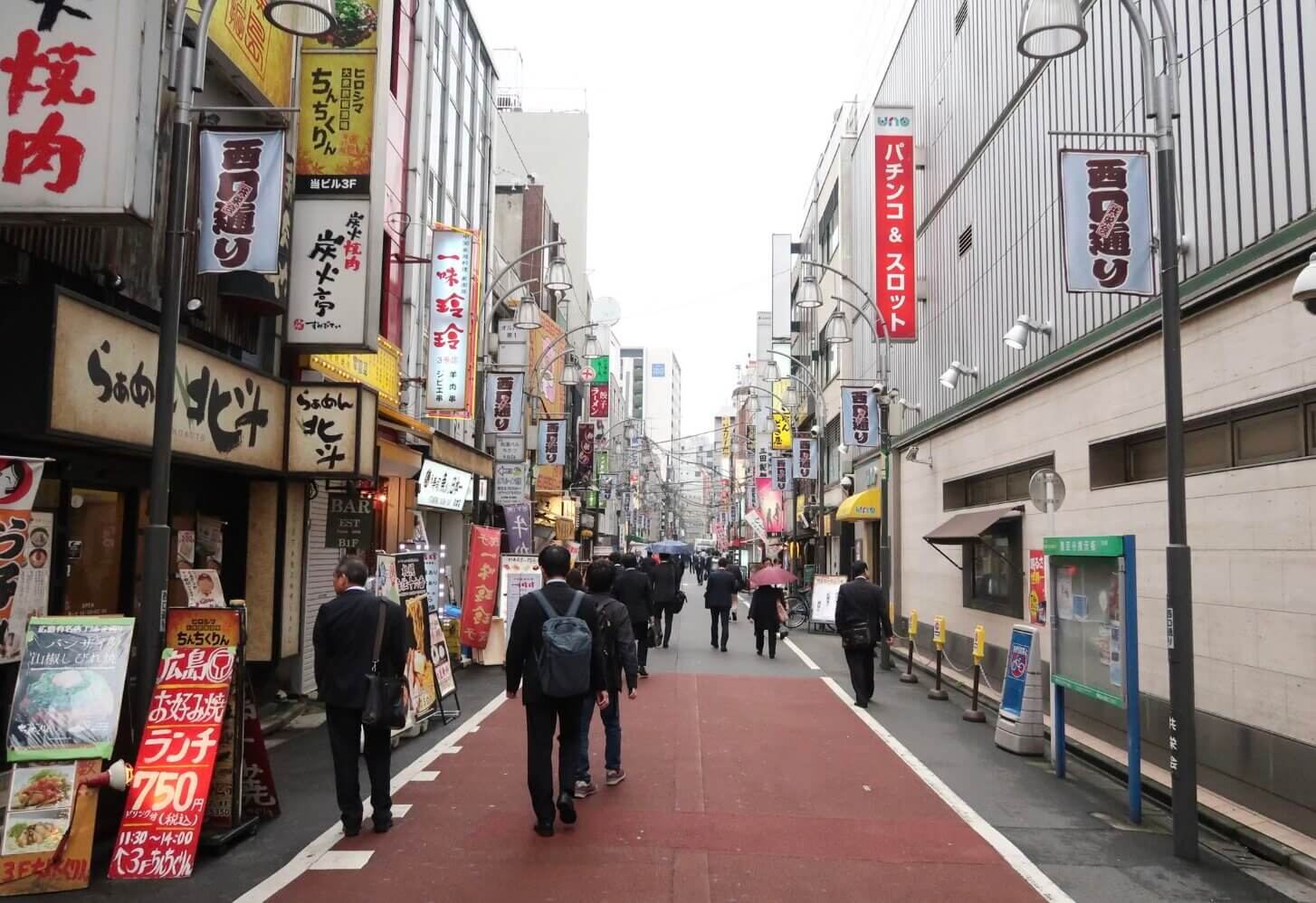
Kyoto is well known for traditional fans, ceramics, textiles, and handcrafted stationery, while Kanazawa is famous for gold leaf products and lacquerware. Hakone is the home of Yosegi-zaiku marquetry, and Asakusa offers a mix of traditional crafts, Japanese tableware, and cultural souvenirs. Smaller craft villages throughout Japan are also worth exploring if your itinerary takes you beyond the major cities.
Museum Shops, Shrines, and Cultural Sites
Some of Japan's most meaningful souvenirs can only be purchased at the places they represent. Museum gift shops often collaborate with artists to create exclusive books, prints, stationery, and design products that aren't sold elsewhere.
Similarly, temples and shrines offer items with cultural or spiritual significance, including goshuincho, omamori, and location-specific keepsakes. Buying these souvenirs directly from the site gives them a stronger connection to your visit than purchasing similar products from a general souvenir store.
Regional Department Stores and Station Shops
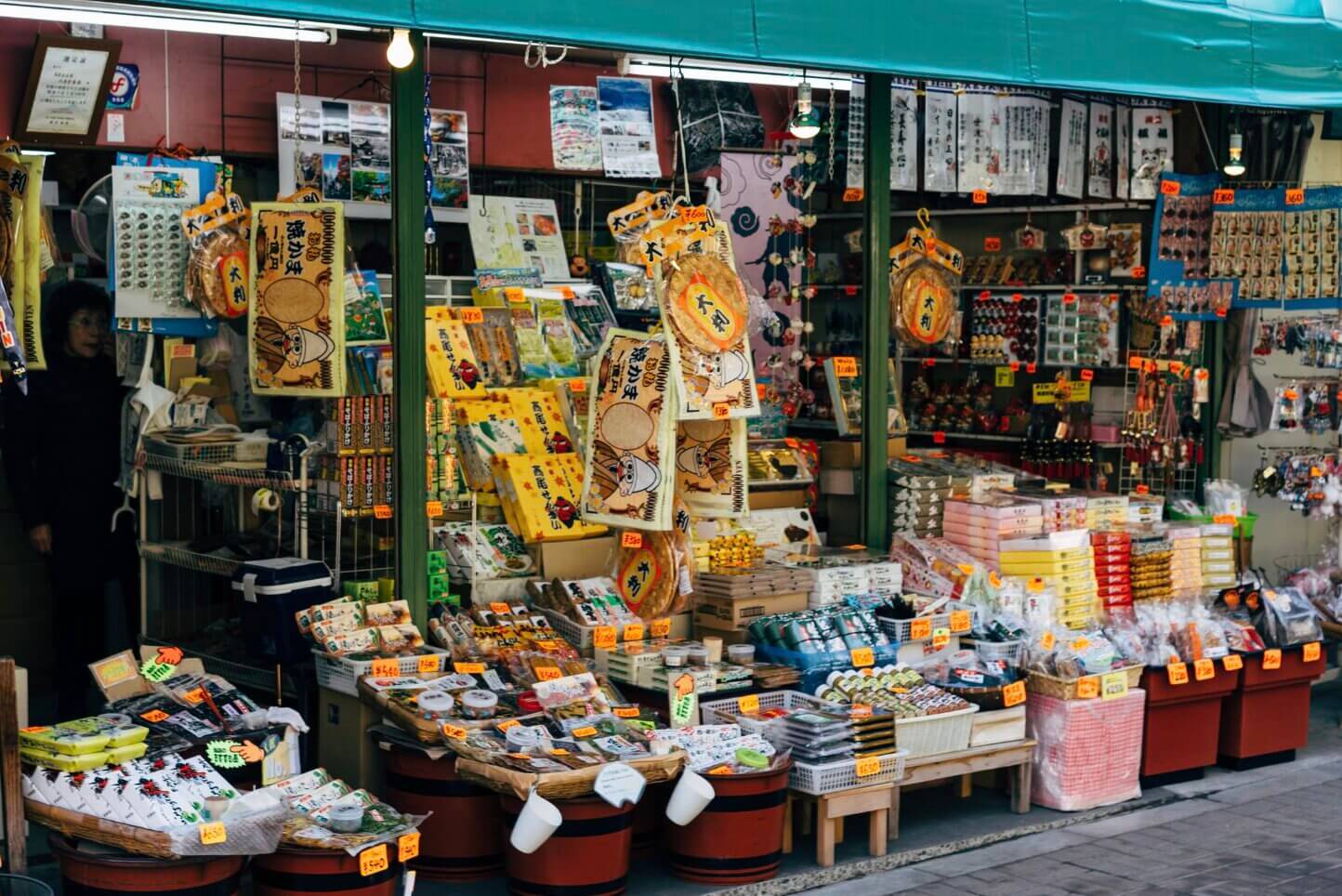
Department stores and major railway stations are excellent places to discover products that reflect the local area. Food halls often feature wagashi, tea, sake, and specialty foods made by regional producers, while station shops carry souvenirs designed specifically for travelers passing through that city.
You'll also find beautifully packaged gift sets, regional crafts, and collectible ekiben sold only at certain stations. If you're traveling across several prefectures, checking station shops along the way is one of the easiest ways to find souvenirs that are unique to each destination.
Pop-Up Stores and Official Brand Locations
Japan regularly hosts limited-time pop-up stores, seasonal collaborations, and brand-exclusive events that release merchandise unavailable anywhere else. These collections often sell out quickly and may never be produced again.
Official stores such as Pokémon Center, Nintendo Store, Ghibli stores, and Sanrio frequently introduce city-exclusive products, anniversary collections, and seasonal collaborations. If you're interested in Japan-only collectibles, checking current pop-up events before your trip can help you discover products that won't be available by your next visit.
Can You Buy Unique Japanese Products Online?
Traveling through Japan is still the best way to discover one-of-a-kind souvenirs, but it's no longer the only option. Many Japanese retailers now accept international orders, and several brands operate global online stores. The challenge is that some of the most interesting products never make it to those international catalogs.
Whether you're shopping from home or trying to replace a souvenir you missed during your trip, these are the two most practical ways to buy unique Japanese products online.
Order from Official Japanese Stores
If the product you're looking for is available internationally, buying directly from an official Japanese retailer is usually the simplest option. Stores such as Amazon Japan, Rakuten, Pokémon Center Online, Sanrio, and various brand websites allow overseas customers to purchase selected products without traveling to Japan.
However, international availability is often limited. Many domestic-only products never appear in global stores, while regional exclusives, discontinued collections, seasonal releases, and merchandise from smaller local shops may only be sold within Japan. Some retailers also require a Japanese shipping address or payment method, making certain items inaccessible to overseas buyers.
Shop Through International Japanese Shopping Platforms
For shoppers looking beyond internationally available products, a cross-border shopping platform offers access to a much broader selection. Rather than relying on a single retailer, platforms like Janbox connect international buyers with Japan's domestic marketplace ecosystem, including Amazon Japan, Rakuten, Yahoo Shopping, Yahoo Auctions, Mercari, and other local marketplaces.
This approach makes it much easier to discover regional specialties, discontinued collectibles, limited-edition merchandise, and products sold only by domestic Japanese sellers. Instead of checking multiple websites individually, you can search across different marketplaces from one account and compare listings in one place.
It's also a practical option when purchasing from multiple sellers. Eligible orders are first delivered to a Janbox warehouse in Japan, where they can be consolidated into a single international shipment before being sent overseas. This not only simplifies the buying process but can also help reduce shipping costs when building a larger order from different stores.
Final Thoughts
The most memorable souvenirs aren't always the most expensive or the most popular. They're the ones that capture a place, a tradition, or an experience you can only have in Japan. Choosing locally made crafts, regional specialties, or Japan-exclusive collectibles gives you something with a story rather than just another keepsake.
If you can't visit Japan or want to continue shopping after your trip, Janbox makes it easier to access Japan's domestic marketplaces and discover unique products that are often unavailable through international retailers.
FAQs
Can I bring traditional Japanese crafts through airport security?
Yes. Most traditional crafts such as ceramics, folding fans, textiles, stationery, and wooden items can be carried in checked or hand luggage. Fragile items should be packed carefully, while liquids and sharp objects may be subject to airline restrictions.
Are handmade souvenirs in Japan more expensive than factory-made ones?
Not always. Prices vary depending on the craft and the artisan. Small handmade items like fans, textiles, pottery, or wooden accessories are often reasonably priced and can cost only slightly more than mass-produced souvenirs.
Which regions in Japan are best known for traditional crafts?
Several regions are famous for their local craftsmanship. Kyoto is known for textiles and folding fans, Hakone for Yosegi marquetry, Kanazawa for gold leaf and lacquerware, Okinawa for Ryukyu glass, and Saga Prefecture for Arita and Imari porcelain.
How can I tell if a souvenir is locally made?
Many artisan workshops and specialty stores provide information about where an item is made and the techniques used to produce it. Products labeled with the name of a specific region or traditional craft are generally more reliable than generic souvenirs sold in tourist shops.
Do regional souvenirs change throughout the year?
Yes. Many regions release seasonal sweets, limited-edition packaging, festival merchandise, and locally inspired collaborations that are only available during certain months or special events.
Are unique Japanese souvenirs good gifts for collectors?
Absolutely. Handmade crafts, regional collectibles, official brand exclusives, and limited-edition merchandise are often appreciated by collectors because they're more difficult to find outside Japan and usually have a clear connection to a specific place or event.
Table of Contents
- What Makes a Japanese Souvenir Truly Unique?
- 15 Unique Things to Buy in Japan
- Traditional Crafts with a Strong Sense of Place
- 1. Hakone Yosegi-zaiku Marquetry
- 2. Kumihimo Braided Cords
- 3. Echizen Washi Paper Products
- 4. Akoya Pearl Jewelry from Mie
- 5. Kintsugi-Inspired Ceramics
- Cultural Items with Meaning
- 6. Personalized Hanko Stamp
- 7. Temple or Shrine Goshuincho
- 8. Omamori from a Specific Shrine
- 9. Handmade Sensu Fan from Kyoto
- 10. Indigo-Dyed Fabric Goods
- Japan-Only Collectibles and Regional Finds
- 11. Pokémon Center Regional Exclusives
- 12. Limited Gashapon Collections
- 13. Japanese Tenugui
- 14. Regional Wagashi Gift Sets
- 15. Japan-Exclusive Train Merchandise
- Where to Find Truly Unique Products in Japan
- Can You Buy Unique Japanese Products Online?
- Final Thoughts
- FAQs
- Can I bring traditional Japanese crafts through airport security?
- Are handmade souvenirs in Japan more expensive than factory-made ones?
- Which regions in Japan are best known for traditional crafts?
- How can I tell if a souvenir is locally made?
- Do regional souvenirs change throughout the year?
- Are unique Japanese souvenirs good gifts for collectors?
Related Posts